From research to education and policy: strengthening conversations around youth mental health in Malawi
Blantyre, Malawi | 4th September 2026
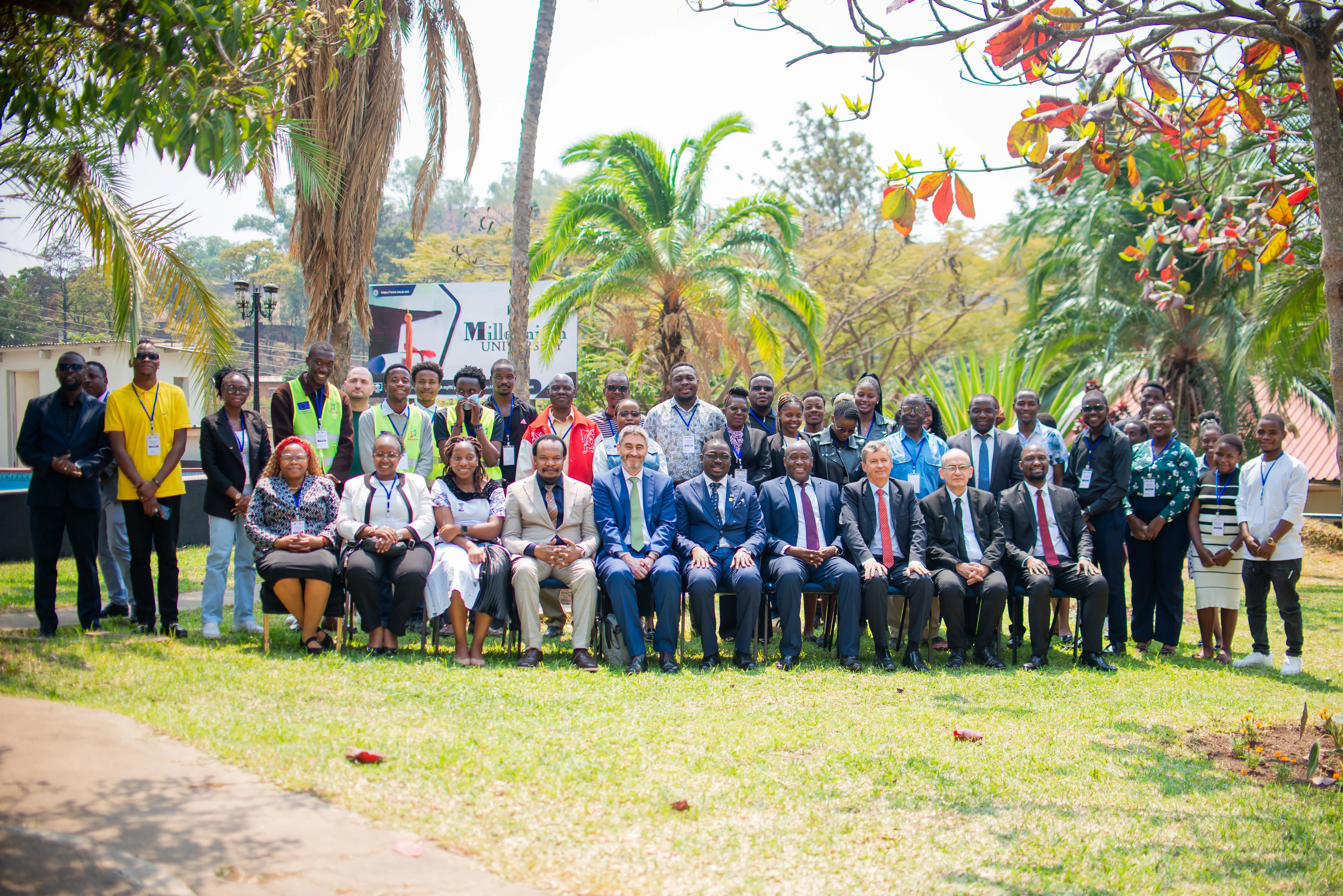
The Mental Health Literacy e-Curriculum (MHLeC) was honoured to participate in the fourth ARISE Scientific Showcasing Event, held at Millennium University in Blantyre, Malawi, on 4 September 2026.
Held under the theme “Securing Holistic Wellness through Scientific Cooperation in Mental Health Interventions and Research,” the hybrid event brought together researchers, government representatives, academic leaders, development partners and international collaborators to explore how mental health research can contribute to education, stronger services and national development.
The event was jointly organised by the African Academy of Sciences (AAS), Millennium University, the European Union, the French National Research Institute for Sustainable Development (IRD), the French National Centre for Scientific Research (CNRS), and the Spanish National Research Council (CSIC) as part of the wider African Research Initiative for Scientific Excellence (ARISE).
MHLeC at the centre of the conversation
A key component of the showcase was the presentation of Dr Sandra Jumbe, ARISE Fellow at Millennium University, who shared the work and development of the Mental Health Literacy e-Curriculum.Developed through engagement with young Malawians, MHLeC seeks to improve young people's understanding of mental health, address misconceptions and stigma, and encourage appropriate help-seeking among students in Malawian universities.The intervention also aims to support young people in recognising mental health challenges in themselves and others and understanding when and how to seek support. The presentation provided an opportunity to demonstrate how locally developed research and interventions can respond to experiences within Malawi's higher education context.
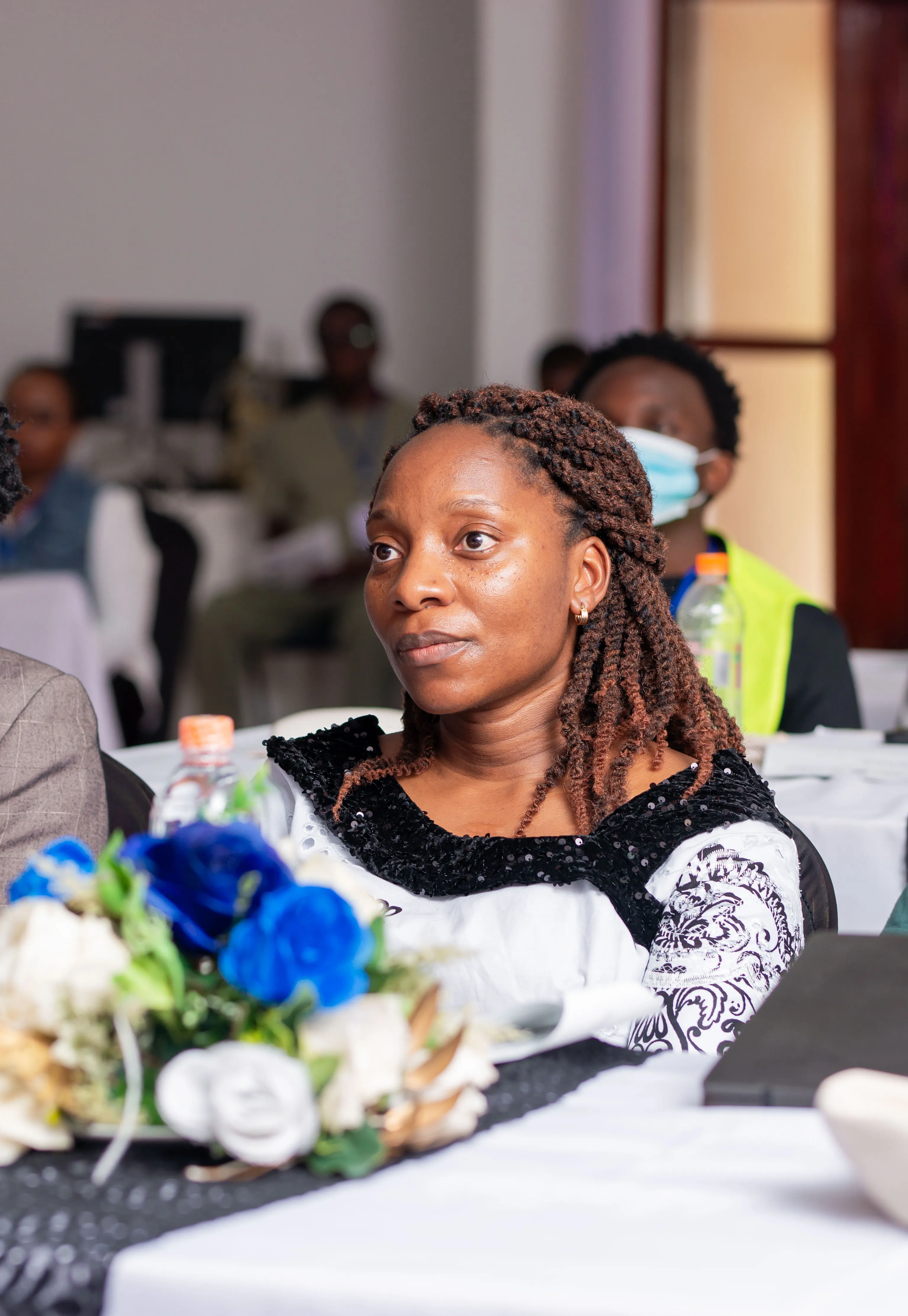
Connecting research with education and policy
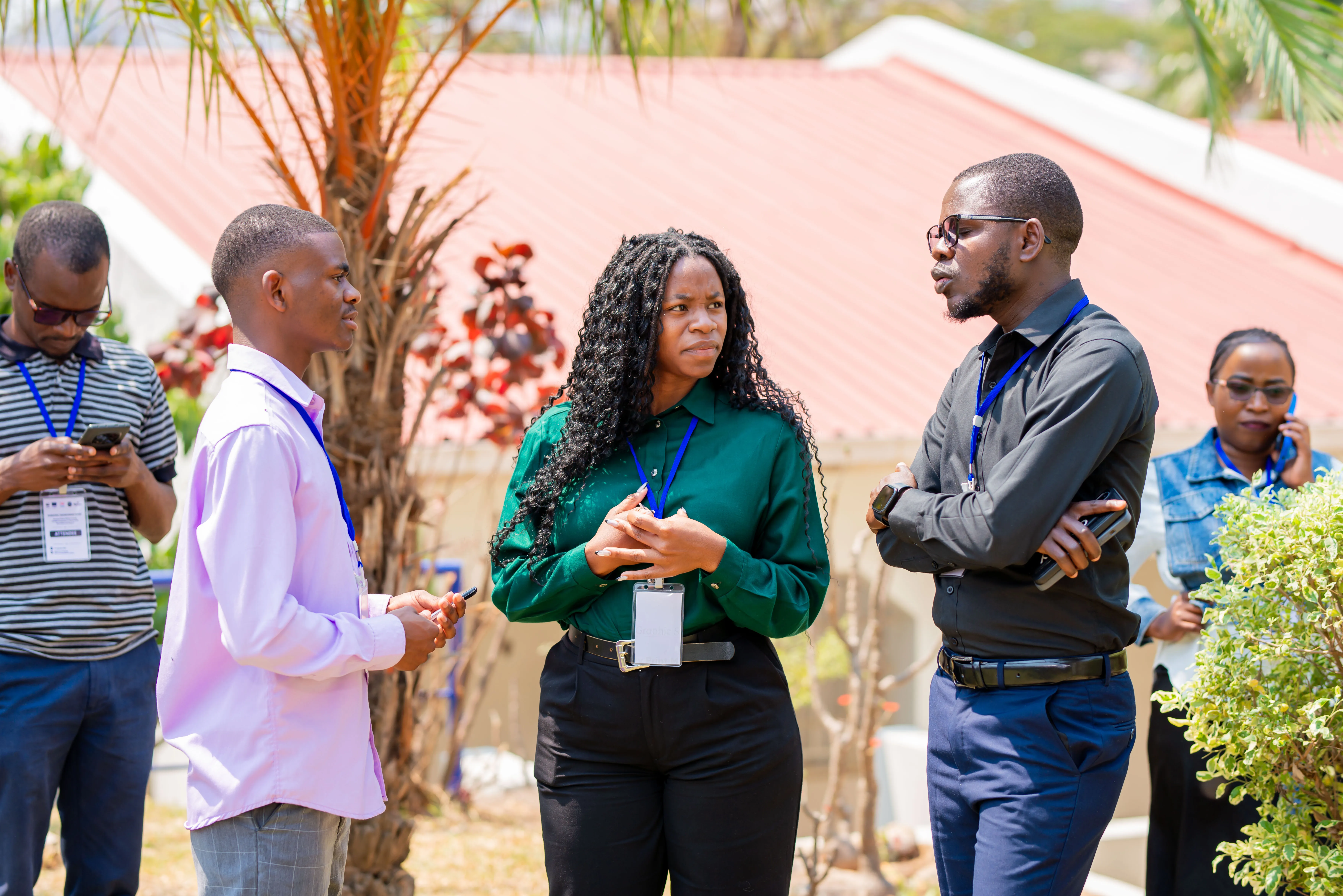
One of the important discussions emerging from the showcase was the relationship between mental health and education. Representing the Minister of Education, Science and Technology, Deputy Minister Francis Folley highlighted the connection between student mental wellbeing and education outcomes. He welcomed the locally developed intervention and expressed government interest in engaging with its evidence, including exploring opportunities to incorporate mental health content into curricula. The discussions also emphasised the importance of ensuring that promising interventions can be sustained beyond individual research grants through stronger connections with national institutions and systems.
A broader mental and brain health agenda
The showcase situated youth mental health within a wider discussion of mental and brain health. Contributions covered areas including youth wellbeing, prevention and advocacy, digital support, neurodevelopmental conditions, sleep, dementia and neuroethics. Discussions around telemedicine and artificial intelligence also considered opportunities to extend access to mental health support while highlighting the importance of privacy, ethical governance, clinical validation and integration with existing services.
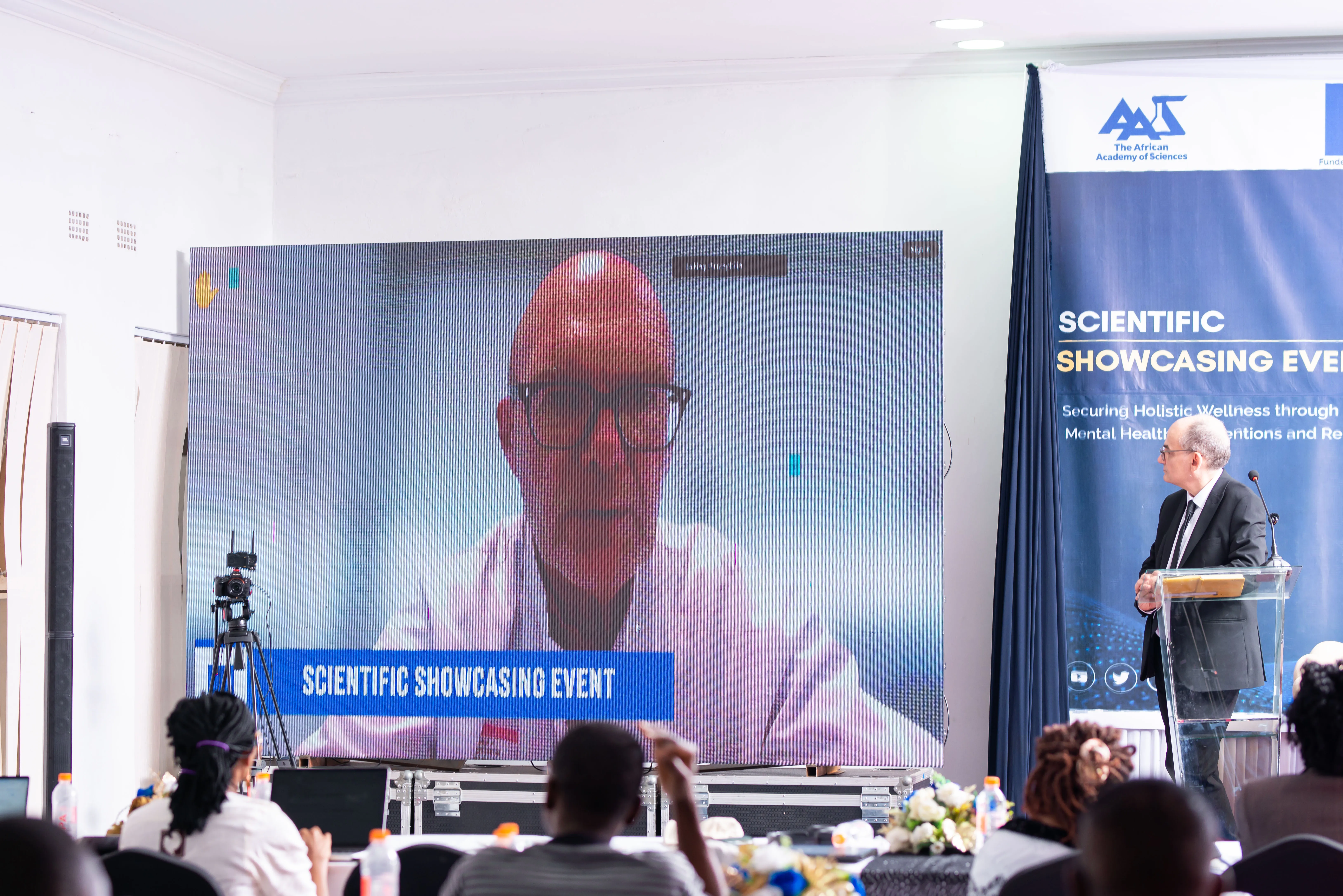
Across these conversations, a common message emerged: research must be grounded in the contexts and communities it seeks to serve. Meaningful engagement with young people, communities, practitioners and policymakers throughout the research process can help ensure that interventions are relevant, ethical and implementable.
Strengthening Africa–Europe scientific collaboration
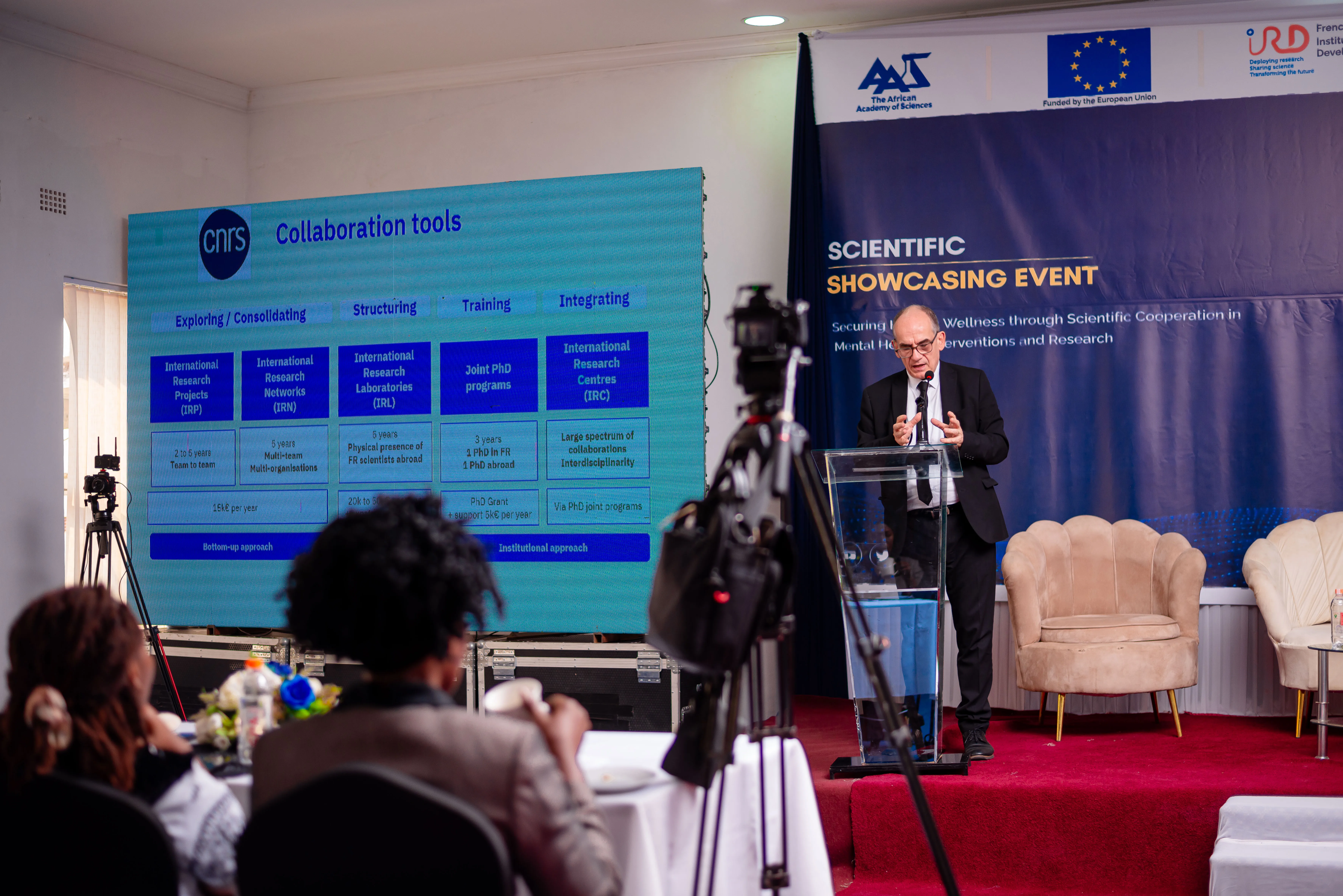
Africa–Europe collaboration was another important feature of the event. Presentations highlighted opportunities for researcher mobility, multidisciplinary partnerships and collaboration between African and European research institutions.
For MHLeC, these collaborations provide opportunities to connect locally generated evidence with wider conversations about mental health research, innovation and scientific capacity in Africa.
Looking ahead
The showcase identified an important opportunity for continued engagement around how evidence generated through mental health literacy research can inform education policy and institutional practice.For MHLeC, this reinforces the importance of ensuring that research does not remain within academic spaces. Building mental health literacy among young people requires connections between research, education, communities, practitioners and policy.
Together, we can continue moving from research to conversation, from conversation to action, and from action towards stronger support for young people. As MHLeC continues its work, we remain committed to learning from young people, strengthening partnerships and contributing evidence to conversations about how Malawi can better support the mental health and wellbeing of its youth.
Acknowledgements
We extend our sincere appreciation to the African Academy of Sciences (AAS), Millennium University, the European Union, IRD, CNRS and CSICfor convening this important scientific exchange and for providing a platform for research and collaboration. We are particularly grateful to Dr Sandra Jumbe for representing MHLeC and sharing the journey of the Mental Health Literacy e-Curriculum!
e also thank the researchers, policymakers, practitioners, academic leaders and partners who contributed to the discussions and continue to support efforts to strengthen mental health research and practice in Malawi.
Together, we can continue moving from research to conversation, from conversation to action, and from action towards stronger support for young people.
Read the AAS feature
For the full account of the showcase, visit the African Academy of Sciences: